First Discovery of Nationally Protected Yichang Wild Orange in Guangdong
Recently, significant news emerged from Guangdong Province's biodiversity survey efforts. In April 2026, a research team from the South China Botanical Garden, Chinese Academy of Sciences, focusing on plant taxonomy and diversity, documented for the first time a wild population of the Yichang Wild Orange (Citrus cavaleriei), a nationally second-class protected wild plant, within Lechang City, Shaoguan, during the implementation of the "Comprehensive Survey and Assessment of Guangdong's Plant Diversity" project. This discovery not only updates the provincial wild plant records of Guangdong but also provides invaluable living resources and new geographical distribution data for researching the origin, evolution, and conservation of citrus plants.
Rare Ancestor of Citrus "Appears" in Northern Guangdong
The discovered wild population of Yichang Wild Orange is located in a limestone mountainous area of Shaping Town, Lechang City, with an estimated population size of about 20 individuals. Researchers found multiple wild plants at different growth stages, all thriving and currently in the flowering period. The Yichang Wild Orange is a wild member of the Citrus genus within the Rutaceae family. It is considered a crucial ancestral parent of many cultivated citrus varieties, such as pomelos, sour oranges, and lemons, holding irreplaceable value as a "genetic treasure trove" for citrus breeding and genetic research. Due to its scarce wild populations and narrow distribution range, the Yichang Wild Orange was listed as a second-class protected plant in China's inaugural List of National Key Protected Wild Plants in 1999 and retained this status in the updated 2021 list.
A Record-Breaking Discovery with Profound Significance
Previously, the known natural distribution range of the Yichang Wild Orange mainly included Shaanxi, Gansu, Hubei, Hunan, Guangxi, Sichuan, Guizhou, and Yunnan. This discovery in Lechang, Guangdong, marks the first confirmation of a wild distribution of this species within Guangdong Province, significantly extending its known range southward. It represents a critical breakthrough in the documentation of Guangdong's wild plant diversity.
"This discovery holds multiple layers of significant meaning," pointed out a botany expert involved in the survey. "It not only enriches this scientific understanding of the ecological adaptability and distribution boundaries of this ancient species, but also, given Lechang's location on the southern foothills of the Nanling Mountains, this finding may provide new, crucial geographical clues for exploring the origin history and dispersal pathways of Citrus plants in South China. Protecting this wild population equates to conserving an extremely precious natural citrus gene bank, holding strategic value for the security of germplasm resources and the long-term sustainable development of China's citrus industry."
In-situ Conservation Efforts Promptly Initiated
In light of the rarity and importance of the Yichang Wild Orange, local forestry and nature reserve management authorities responded swiftly upon learning of the discovery. Temporary protection and patrol measures have been implemented in the discovery area to strictly prevent human disturbance and damage. The next step involves in-depth assessment by plant conservation experts on the population's demographic structure, health status, community characteristics, and potential threats, based on which a scientific long-term in-situ conservation plan and systematic monitoring program will be formulated.
The discovery of the Yichang Wild Orange is a significant achievement reflecting Guangdong Province's systematic efforts in biodiversity survey, assessment, and conservation. It reaffirms that the Nanling Mountains and surrounding areas, as a key biodiversity hotspot, harbor rich and unique biological resources. Continuously strengthening holistic ecosystem protection and species resource surveys is of paramount importance for fortifying regional ecological security barriers and preserving strategic germplasm resources.
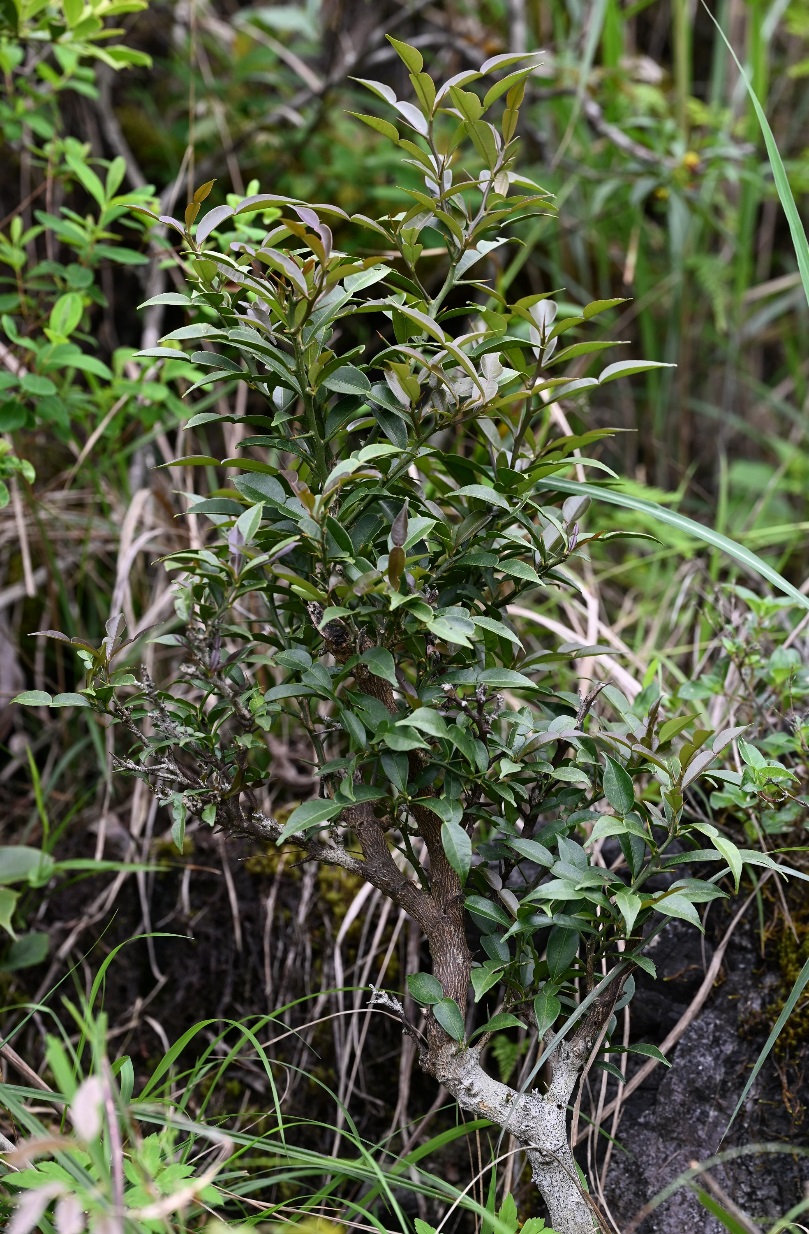
Yichang Wild Orange(Citrus cavaleriei)(Image by CHEN et al.)
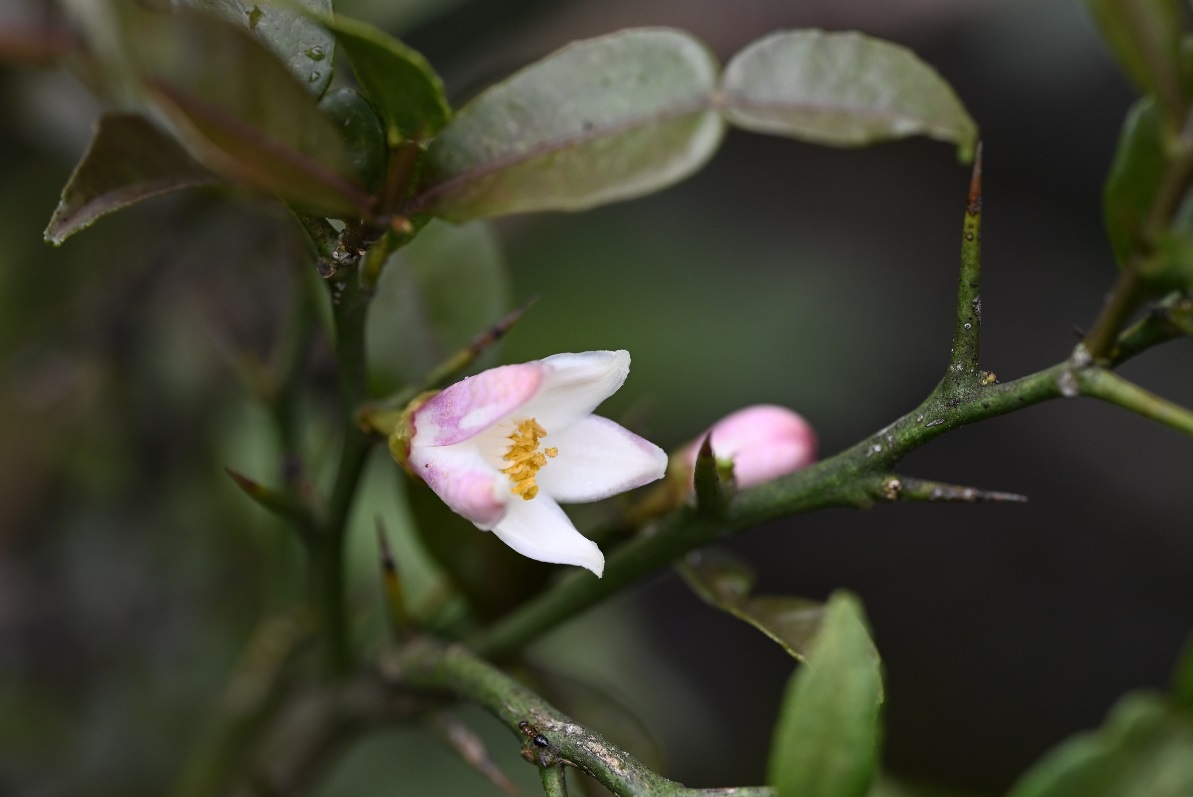
(Image by CHEN et al.)
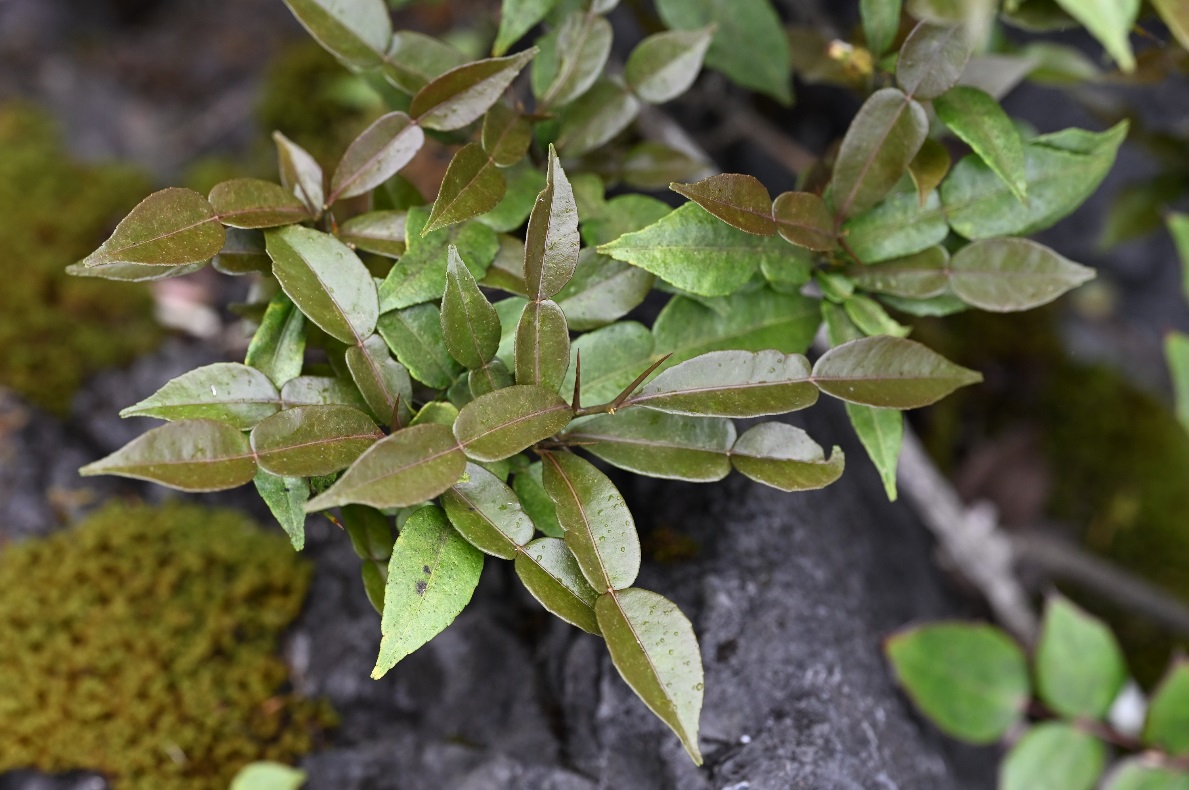
(Image by CHEN et al.)
File Download: